A Stefan Klopp Weblog

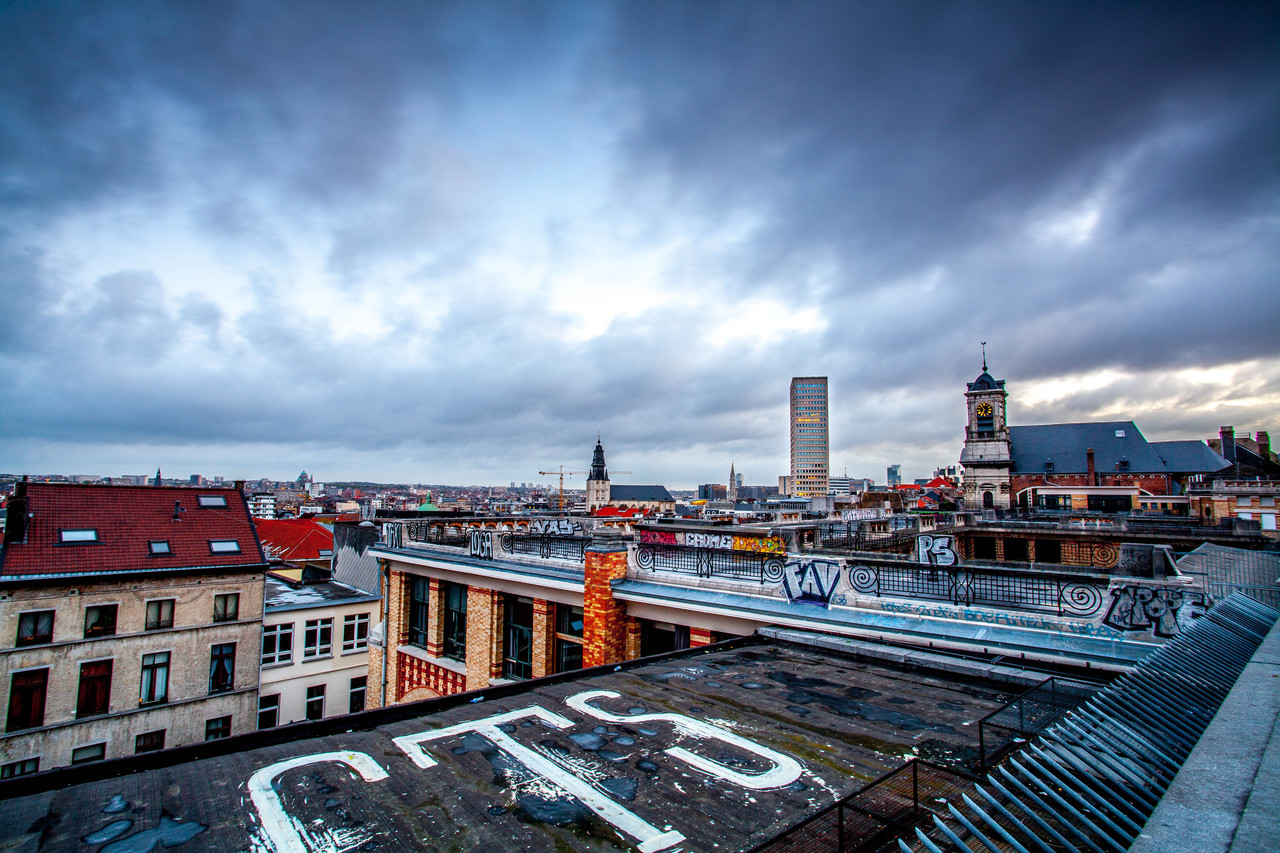
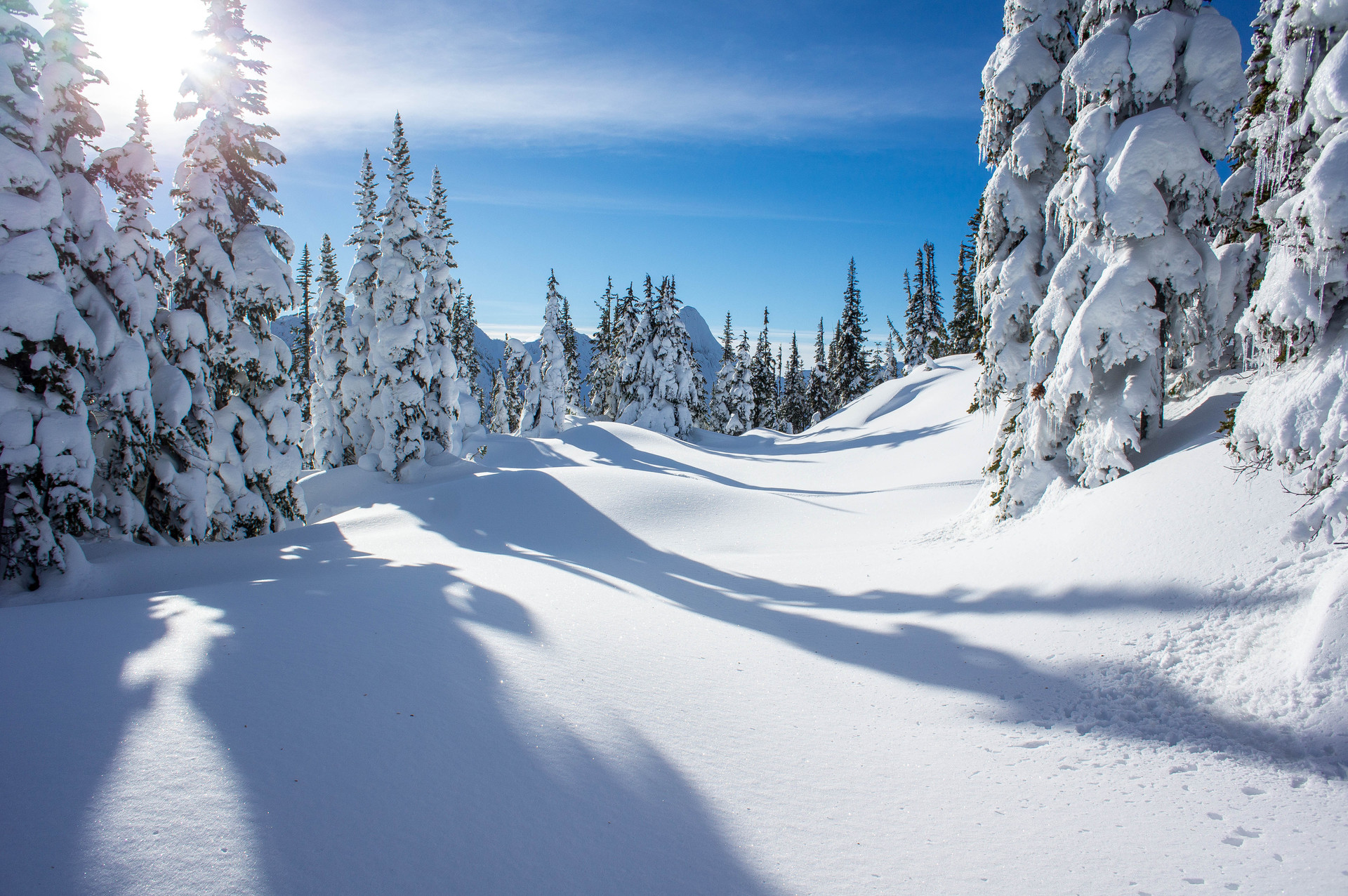
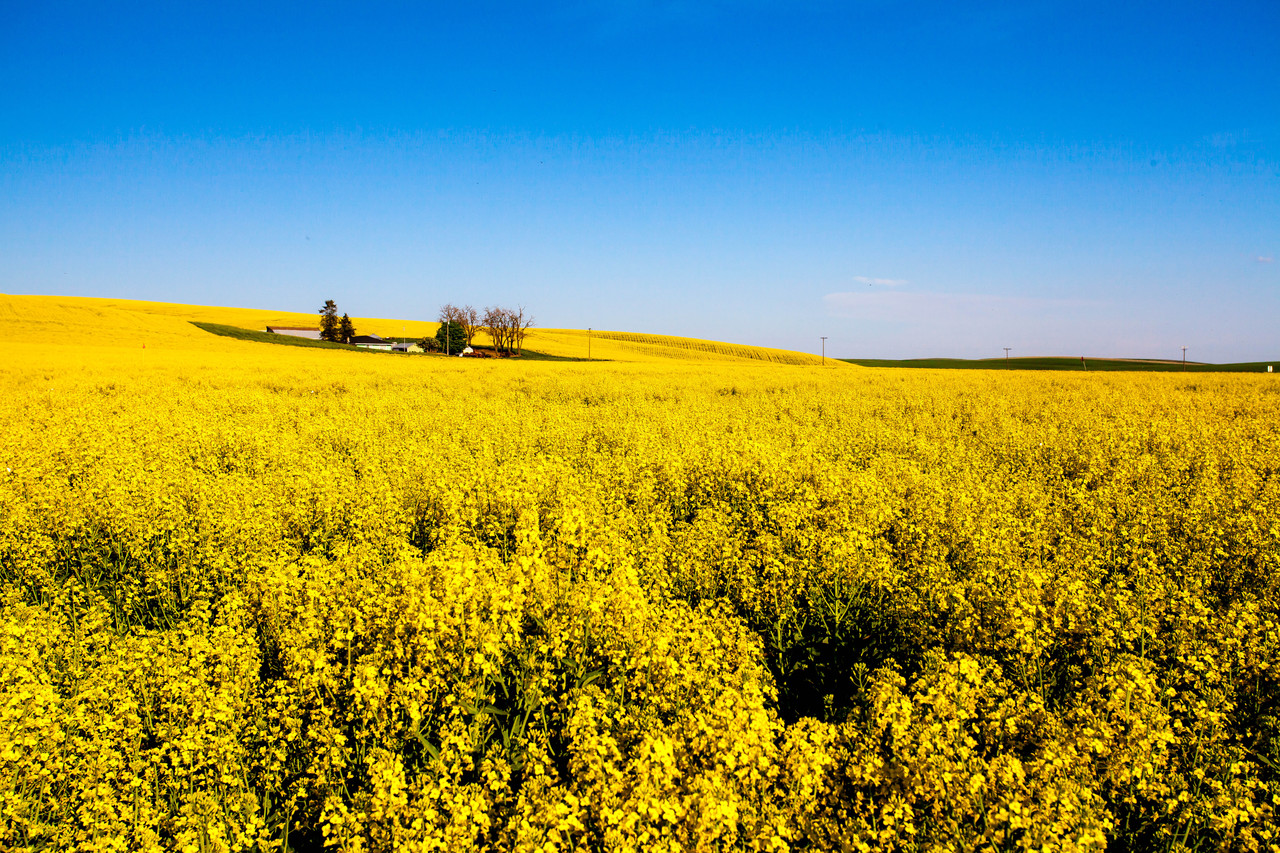
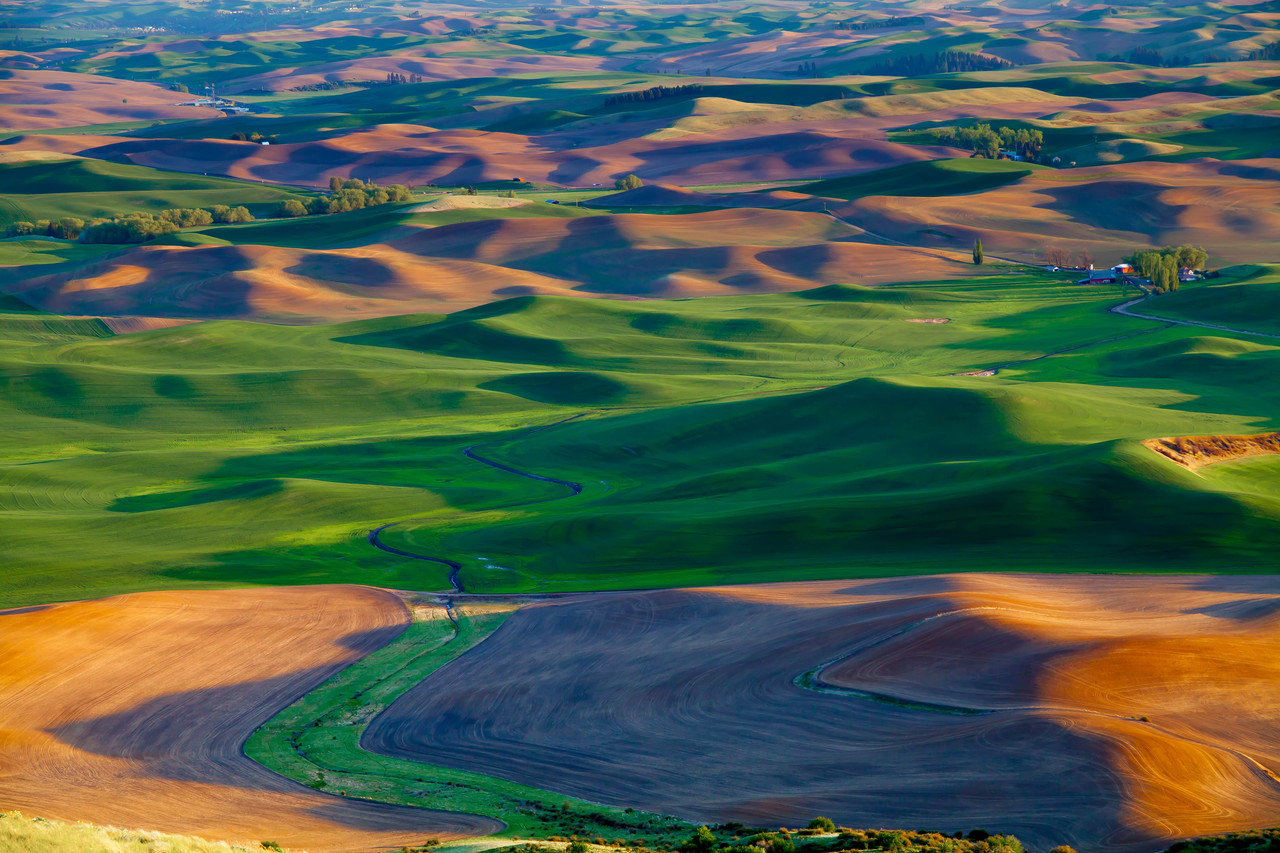
Random header image... Refresh for more!

Merry Christmas from Stefan, Bing and Frosty

December 24, 2011   5 Comments

Istanbul

We stepped out of the Crazy Holidays bus into the ‘crazy’ Büyük Otogar bus station. Ten plus hours on a bus from Thessaloniki, with only baklava to eat, our heads were swimming in the masses of people.

It was drizzling slightly, and a touch cold, something I had not expected. We grabbed our bags from the bus, and headed towards the sign that said ‘Taksim’. We waited in the drizzling rain with countless others for the transfer bus to arrive. Finally when it did there was a mad rush for the bus. People were pushing, squishing, doing what they could to get onto the bus. It felt a little reminiscent of a time I had in Uganda trying to get in a Matatu in the rain.

Needless to say the bus was full, and Oliver and I continued to stand under the ‘Taksim’ sign. 15 minutes later and the next bus arrived. It was larger, and we got on without problem. “Finally on our way”, I though. Once we started moving we turned on our GPS’ to get a bearing of where we were headed. We were making our way towards the city, however a lot more north of Taksim. Finally the bus stopped, and the driver told everyone to get out. Here we stood roughly equal distance from Taksim as the previous bus station. However this time north of the city.

Again we waited.

After some help from a young university student we caught our next bus. This time the direction was right, and we finally arrived in Taksim Square. Our plan was to stay with our friend Amanda. She told us to go to Taksim and call her. Here we were in Taksim, calling the number she gave me. It didn’t work. Shit. “Try again without the zero”. Nothing.

By this point it was closing in on midnight. Being a Friday the city was full of excitement and people. Yet we had no place to stay, and heavy bags on our backs. We started to wander. With our phones out, GPS’ on, and WIFI scanning we meandered our way south until we found some free WIFI. Sitting on the sidewalk we Googled a bunch of hostels and saved them to our GPS, then got on our feet and started walking. On our way to the first hostel we stopped in at a hotel. The owner told us, “Istanbul is full, no vacancy.” I may have one room though, I will call the person to see if he is still coming.

After a brief phone call in Turkish he tells us the room is free, 90 Euro for the both of us. We decide we would take our chances on the street and find out for ourselves how full Istanbul is.

The first hostel we get to is indeed full. However the guy running the counter calls all the hostels in the area and finds a vacancy at a place called Rapunzel, situated beside the Galata Tower. A short jaunt and we are there. The French girl behind the counter explains the hostel rules, as her lo-fi ambient techno plays on. We stumble our way up the stairs and drop off our bags, the start of our adventure in Istanbul…

After that night the rest of the trip was a lot less hectic. We found a really relaxed place to stay called 68 Hostel, and finally managed to get into contact with Amanda. Istanbul was a real special place. We spent close to 5 full days there, and it felt like we only scratched the surface. We did a lot of walking and exploring. It was nice breaking off the beaten path a few times and going into neighbourhoods tourists normally don’t visit. Istanbul has a real heartbeat and vibe to it. It was like being in New York with a mosque on every corner, and buildings built 200 years BC. I look forward to my next visit to Istanbul, and getting to explore some of the other sites of Turkey.

Here are some photos from our time in Istanbul.

October 20, 2011   1 Comment

The Wonders of the Meteora Monasteries

Part of the reason we stayed a little longer in Greece was so that we could visit the monasteries in Meteora. From the moment I saw a photo of the monasteries perched out on cliffs I knew we had to go. We missed a bus, and didn’t arrive at the neighbouring town of Kalabaka until 4pm. We walked our way to the neighbouring town of Kastraki where we found an extremely cheap yet nice place to stay. It seemed like the area was dead. Everyone had rooms available, and there was little to no action. We took this as a good sign that we would have the monasteries to ourselves.

After dropping off our bags we decided to walk up the road to Meteora and see how far we could get. We had heard different reports on how far it was to get up to the monasteries, and luckily for us the distance wasn’t too long. It was a nice hike up, with lots of wild figs and blackberries for sampling. Less than an hour and we were at one of the main monasteries, which we found completely deserted. While the actual building was closed (it was after hours) we did get to explore around the area. As the sun began to drop behind the horizon we made our way back to Kastraki.

The next morning I woke early and hiked up the hill to catch some early morning light. Instead of following the main road, I decided to hike a marked trail (albeit in Greek) I saw off the road. It took me by one of the monasteries, then began to climb quite steep. I followed the trail up further, and began to hear voices all around me, as if a massive group of people were just around the corner. I continued to climb and the voices got louder. Finally after rounding a last bend I ended up at the top monastery. The voices I was hearing were those of tourists above echoing down the canyon.

It was shocking to see so many tourists, when the day prior after hours the place was completely dead. Tour buses were lined down the narrow road, and as I looked down into the valley I could see more on there way. I was happy to be on foot, as it let me take a reprieve from the people. The rest of the day I hiked throughout the area checking out all 6 of the monasteries. Each one seemingly more magnificent than the previous. It was a wonderful day despite the number of tourists.

Here are some of my favorite shots from the Monasteries.

October 18, 2011   1 Comment

Thessaloniki, Greece

We flew to Thessaloniki because it was the closest city to Istanbul that was also the cheapest to fly to from Prague. We stayed longer because of the incredible hospitality. From the moment we arrived at the Little Big House we were treated like honoured guests. Vicky and Harris did everything they could to make us feel welcome, including complimentary Frappés on arrival, and looking up any information we could possible want. We also expected to be in a 4 bed dorm. Technically it was, however each set of bunks was in it’s own room.

After Prague, Thessaloniki was also a nice retreat from the tourists. The city is a university town, and at night really comes alive. With lots of great restaurants and bars. On one of our days in Thessaloniki we did a day trip with some friends we met at the hostel to a nearby beach town. It was interesting being there after the peak season as the town just felt really dead. It did mean we had the entire beach to ourselves.

If you have the chance to make it to Northern Greece I would definitely stay a day or two in Thessaloniki (not to mention at The Little Big House). Here are a few photos from our time in Thessaloniki.

October 16, 2011   No Comments

Prague for a Weekend

Prague has always had a special spot in my heart of places I have wanted to visit. Not that I had ever been there, but there was a mysticism about the medieval city. When the chance arose to checkout Prague for a few days over a weekend I jumped at it. Now I have to admit, I am not the biggest fan of crowded/tourist overrun places (hence my not so fondness of Venice), which unfortunately Prague is a little bit of. However with that said I still really enjoyed my time there. Having just finished reading George RR Martin’s a Game of Thrones it put to life a lot of the book. If Prague was a place in the 7 Kingdoms it would most certainly be King’s Landing.

I think in a few months I may try and return to Prague once the snow starts falling, as I have an inkling the city could be quite a romantic place dressed up in white.

Here are some of my favourite shots I took in Prague.

October 9, 2011   1 Comment

Visiting My Mother’s Hometown of Gotha

Back in 2003 on my way home from Uganda I stopped over in Europe to visit my brother Rob, and do a quick tour through Germany. We had a little road trip from Freiburg where he was studying up to the Netherlands. Before heading north, we took a day to visit my fathers hometown of Rohrdorf. It was interesting to walk around the small village thinking this is where my dad had lived and grown up. He had even drawn us a map from memory, which was almost perfect except for the scale (everything was much smaller than he had remembered).

With my brother back in Germany for a short time before setting off for the US, we decided to meet in my mothers hometown of Gotha and explore her past. We were joined by our cousin Christian who lives in the area, and acted as our tour guide. We visited the town center, explored the castle, then visited the house my mother grew up in. We then drove around Thuringia and explored a bit of surrounding area.

It is in an interesting feeling to look back into your families past and explore the places your parents lived. It puts context to stories they tell you, and gives understanding to who they are. Here are some of my photos from the day.

October 6, 2011   4 Comments

4 in 1 Baptism

Last time I was in Germany it just happened to coincide with the wedding of my cousin Johanna. Back again in Germany and another major event in the life of my cousin Johanna’s, the baptism of her child (along with the baptism of 3 other children including my other cousin Christoph’s daughter). Johanna had asked me if I would like to shoot photos for them, which I naturally obliged to do. It was a bit hectic and crazy with 4 kids being baptised, not to mention the others there to watch, but was a lot of fun. Here are my favorite shots from the event!

October 6, 2011   No Comments

Favorite Quotes from The Shock Doctrine

I recently finished reading The Shock Doctrine: The Rise of Disaster Capitalism by Naomi Klein. Naomi explores how shock and awe tactics have been used by governments to push a population into submission so that the government can force unpopular policies or changes on the people. She explores the history of shock therapy (on humans and also on markets) and how it has evolved over time. This was a really gripping book to read, and extremely insightful. I highly recommend reading it.

Here are my favourite quotes from The Shock Doctrine:

“A more accurate term for a system that erases the boundaries between Big Government and Big Business is not liberal, conservative or capitalist but corporatist. Its main characteristics are huge transfers of public wealth to private hands, often accompanied by exploding debt, an ever-widening chasm between the dazzling rich and the disposable poor, and an aggressive nationalism that justifies bottomless spending on security.” p18

“A free market in consumer products can coexist with free public health care, with public schools, with a large segment of the economy – like a national oil company – held in state hands. It’s equally possible to require corporations to pay decent wages, to respect the right of workers to form unions, and for governments to tax and redistribute wealth so that the sharp inequalities that mark the corporatist state are reduced. Markets need not be fundamentalist.” p24

“Once again,, the human impact was unmistakable: within a year, wages lost 40 percent of their value, factories closed, poverty spiraled. Before the junta took power, Argentina had fewer people living in poverty than France or the U.S. – Just 9 percent – and an unemployment rate of only 4.2 percent. Now the country began to display sign of the underdevelopment thought to have been left behind. Poor neighborhoods were without water, and preventable diseases ran rampant.” p104

“Since the fall of Communism, free markets and free people have been packaged as a single ideology that claims to be humanity’s best and only defence against repeating a history filled with mass graves, killing fields and torture chambers. Yet in the Southern Cone, the first place where the contemporary religion of unfettered free markets escaped from the basement workshops of the University of Chicago and was applied in the real world, it did not bring democracy; it was predicated on the overthrow of democracy in country after country. And it did not bring peace but required the systematic murder of tens of thousands and the torture of between 100,000 and 150,000 people.” p121

“Is neo-liberalism an inherently violent ideology, and is there something about its goals that demands this cycle of brutal political cleansing, followed by human rights cleanup operations?” p151

“It was in 1982 that Milton Friedman wrote the highly influential passage that best summarizes the shock doctrine: ‘Only a crisis – actual or perceived – produces real change. When that crisis occurs, the actions that are taken depend on the ideas that are lying around. That, I believe, is our basic function: to develop alternatives to existing policies, to keep them alive and available until the politically impossible becomes politically inevitable.’ It was to become a kind of mantra for his movement in the new democratic era. Allan Meltzer elaborated on the philosophy: ‘Ideas are alternatives waiting on a crisis to serve as the catalyst of change. Friedman’s model of influence was to legitimize ideas, to make them bearable, and worth trying when the opportunity comes.” p166

“’Well, what is the sense of ruining my head and erasing my memory, which is my capital, and putting me out of business? It was a brilliant cure but we lost the patient.’ – Ernest Hemingway on his electroshock therapy, shortly before committing suicide, 1961” p185

“This is where Friedman’s crisis theory became self-reinforcing. The more the global economy followed his prescriptions, with floating interest rates, deregulated prices and export-oriented economies, the more crisis-prone the system became, producing more and more of precisely the type of meltdowns he had identified as the only circumstances under which governments would take more of his radical advice.” p190
“It was a staggering admission. At this point in history, the bank and the fund were publicly insisting that governments the world over had seen the light and realized that the Washington Consensus policies were the only recipe for stability, and therefore democracy. Yet here was an acknowledgement, made inside the Washington establishment, that developing countries were submitting to them only through a combination of false pretences and bald extortion: privatization and free trade – two central pieces of the structural adjustment package – had no direct link with creating stability. To argue otherwise, according to Rodrik, was ‘bad economics.’” p197

“What Argentina’s leaders pulled off in this period was a psychological more than an economic technique. As Cavallo, a junta veteran, well understood, in moments of crisis, people are willing to hand over a great deal of power to anyone who claims to have a magic cure – whether the crisis is a financial meltdown or, as the Bush administration would later show, a terrorist attack.” p200

“A long-time anti-apartheid activist, Rassool Snyman, described the trap to me in stark terms. ‘They never freed us. They only took the chain from around our neck and put it on our ankles.’” p244

“If she had to do the process over again, Sooka said, ‘I would do it completely differently. I would look at the systems of apartheid – I would look at the question of land, I would certianly look at the role of multinationals, I would look at the role of the mining industry very, very closely because I think that’s the real sickness of South Africa… I would look at the systematic effects of the policies of apartheid, and I would devote only one hearing to torture because I think when you focus on torture and you don’t look at what it was serving, that’s when you start to do a revision of the real history.’” p254

“In the end, South Africa has wound up with a twisted case of reparations in reverse, with the white businesses that reaped enormous profits from black labour during the apartheid years paying not a cent in reparations, but the victims of apartheid continuing to send large paycheques to their former victimizers.” p256

“Redistribute the land so millions can sustain themselves from it, demanded the framers of the Freedom Charter, and take back the mines so the bounty can be used to build houses and infrastructure and create jobs in the process. In other words, cut out the middle-man. Those ideas may sound like utopian populism to many earss, but after so many failed experiments in Chicago School orthodoxy, the real dreamers may be those who still believe that a scheme like the Freedom Charter theme park, which provided handouts to corporations while further dispossessing the neediest people, will solve the pressing health and economic problems for the 22 million South Africans still living in poverty.” p258

“Once you accept that profit and greed as practised on a mass scale create the greatest possible benefits for any society, pretty much any act of personal enrichment can be justified as a contribution to the great creative cauldron of capitalism, generating wealth and spurring economic growth – even if it’s only for yourself and your colleagues.”

“Thomas Friedman was forthright about what it meant for Iraq to be selected as the model. ‘We are not doing nation-building in Iraq. We are doing nation-creating,’ he wrote – as if shopping around for a large, oil-rich Arab nation to create from scratch was a natural, even ‘noble’ thing to do in the twenty-first century.” p397

“Terrorists don’t try to win through direct confrontation; they attempt to break public morale with spectacular, televisual displays that at once expose their enemy’s vulnerability and their own capacity for cruelty. That was the theory behind the 9/11 attacks, just as it was the theory behind the invasion of Iraq.” p 400

“Corruption during the occupation was not the result of poor management but f a policy decision: if Iraq was to be the next frontier for Wild West capitalism, it needed to be liberated from laws.” p430

“Iraq under Bremer was the logical conclusion of Chicago School theory: a public sector reduced to a minimal number of employees, mostly contract workers, living in a Halliburton city state, tasked with signing corporate-friendly laws drafted by KPMG and handing out duffle bags of cash to Western contractors protected by mercenary soldiers, themselves shielded by full legal immunity.” p432

“For the Bush administration, it was a natural evolution: after claiming it had a right to cause unlimited pre-emptive destruction, it then pioneered pre-emptive reconstruction – rebuilding places that have not yet been destroyed.” p460

“Just as the U.S. Occupation authority in Iraq turned out to be an empty shell, when Katrina hit, so did the U.S. Federal government at home. In fact, it was so thoroughly absent that FEMA coud not seem to locate the New Orleans superdome, where twenty-three thousand people were stranded without food or water, despite the fact that the world media had been there for days.” p492

“The actual state, meanwhile, has lost the ability to perform its core functions without the help of contractors. Its own equipment is out of date, and the best experts have fled to the private sector. When Katrina hit, FEMA had to hire a contractor to award contracts to contractors.” p502

“The truth is at once less sinister and more dangerous. An economic system that requires constant growth, while bucking almost all serious attempts at environmental regulation, generates a steady stream of disasters all on its own, whether military, ecological or financial. The appetite for easy, short-term profits offered by purely speculative investment has turned the stock, currency and real estate markets into crisis-creation machines, as the Asian financial crisis, the Mexican peso crisis and the dot-com collapse all demonstrate.” p513

“The discarding of 25 to 60 percent of the population has been the hallmark of the Chicago School crusade since the ‘misery villages’ began mushrooming throughout the Southern Cone in the seventies. In South Africa, Russian and New Orleans the rich build walls around themselves. Israel has taken this disposal process a step further: it has built walls around the dangerous poor.” p532

August 27, 2011   No Comments

Photos of the Reichstag

I will be honest, I don’t normally shoot a lot of black and white photos. Typically my shots are quite the opposite, fully saturated with colour. However when visiting the Reichstag in Berlin, the first thought that came to mind was how well the building lent itself to black and white. The smooth metal, the reflecting windows and mirrors, the spiralling lines, just perfect. Here are some of my favourite shots from my visit to the terrace and the dome.

August 16, 2011   6 Comments

A Walk Through Winterfeldt Markt

Over the weekend I had a bit of free time, and decided to checkout the Winterfeldt Markt in Schöneberg. The market was vibrant, and bustling with people and activity. Lots of fresh fruits and vegetables, food stalls, and lots of clothing and trinkets. While leaving the market I ran into Pat and Nicki who were also on their way to the market. Funny how in the city of 4 million people you still manage to randomly run into someone you know (This happened a few weeks ago as well). Here are a few shots from the market.

August 15, 2011   1 Comment

Impossible Germany…

4 Months ago almost to the day, I broke my leg. It was a long struggle recovering from the break, and rebuilding my strength enough to be able to walk again. However that wasn’t the biggest change that happened. It was also the last day at my former job, and a new beginning for myself joining Matador Network as their CTO. I had worked at the previous company for close to 7 years, written a large majority of their products, and was in a very secure management role. Unfortunately the position became routine and after 7 years I was feeling my life become a little stagnant.

During the past 4 months recovering from injury, two things became very clear to me. I had made the right decision in taking the new position, and that when I was healthy enough I needed to shake up my life and start living out some of my dreams.

Sitting here at the Vancouver Airport, I await my flight to Frankfurt, Germany. The freedom of my new job which allows me to work anywhere has enabled me to live out my dream of living in Berlin and to learn the language of my parents. It has also opened up the possibility for me to travel and explore while continuing to work a job I love for a company I believe in.

Sometimes in life you need to have things shaken up. My shake up came in the form of a broken leg, and the lose of mobility for close to 3 months. It gave me the perspective and push I needed to start living out my dreams and for that I am grateful.

July 29, 2011   5 Comments

Photos of my Visit to Fauquier

A few weeks ago I travelled out to the Kootenays to visit my parents and spend some time in Fauquier. It was nice to get out of the city and make it back home for a visit. I hadn’t really taken many photos since breaking my leg, so it was a real treat to finally get out with my camera. Most of my shots are from the canoe paddling around the Arrow Lakes.

July 18, 2011   3 Comments

Hockey is a Dangerous Sport

“That hockey is a dangerous sport…” is the response I keep on hearing when I tell people how I broke my leg. One look at the National Hockey League injury reports and you might just agree. Concussions, broken ankles, separated shoulders, blown knees. Even our beer league team has had a number of players injured this year.

This is the second injury I have ever had playing hockey. The first injury I got when I was young, maybe 11 or 12 years old. I was playing shinny with a few friends in the winter on the outdoor Fauquier hockey rink. I tried to slide down to block a play and ended up sliding into a friends skates. He fell backwards onto me, with his elbow landing on my mouth. This probably wouldn’t have caused too much of an injury for me if I hadn’t had braces. Unfortunately his elbow dislodged two of my braces and pushed them up into my gums. I remember being in the hospital and having the doctor straighten the braces with what looked like needle nose pliers. I kept thinking to myself, “Dad could have done that and saved us a drive up to Nakusp”.

I have played hockey for most of my life. Mostly recreational with friends, however over the past 5 years competitively (as in beer league competitive) in and around Vancouver. I have seen friends and teammates go down with numerous injuries. From separated shoulders, to pucks in the face. You do what you can to keep safe, but sometimes it is just bad luck.

I like to play a pretty aggressive game. Go hard in on the forecheck, and win the battles against the boards. Once the puck is free try and make some offence. This is how the story of how I broke my leg begins.

Our hockey team (The Master Bladers) were into the second round of the playoffs. We were one of the hottest teams leading up to the post season, and swept our first round opponent with 2 very commanding wins. We were playing some excellent hockey and feeling pretty good about ourselves before the first game of the next round.

Unfortunately the second round proved to be a lot more tough than the first. Our opponent got up to an early 1-0 lead. Then after a quick goal by each teams we found ourselves down 2-1. Despite the close score, we were being outplayed pretty badly. Mid way through the first half I jump out for another shift. I wanted to bring some energy and get playing my aggressive game. I brought my forecheck and started challenging for a puck along the boards against one of the opponents players. I had the player pinned up against the boards and was trying to work the puck loose. I could sense the opponent was starting to lose balance, so I tried to get a handle on the puck and get out of the boards. Then he fell.

I am not sure if our legs were tangled, or if he fell directly into me, but the first thing that I remember was hearing a crack. I wasn’t sure if it was a stick, or bone, or something else. I looked down to where I heard the noise, and began to scream. My foot was pointing almost 180 degrees in the wrong direction. Heel where my toes should be, toes where my heel should be.

By this point I was crumpled on the ground. My screams were now due to the pain. Teammates rushing off the bench to help out. At this point I realized I needed to calm down. I could feel myself freaking out, bordering on shock, and needed to settle down to help prevent any further damage. Like a monk reciting their mantras, I kept tell myself, “Be calm, breath deep, be calm breath deep.”

With the help of some teammates I was able to roll over onto my side, in doing so my leg flopped over as well. Then I waited for the paramedics, while my friends did what they could to make me comfortable. A few long minutes later and the ambulance had arrived, and I was off to the hospital.

After x-rays it was determined I needed surgery. I had broken both my tibia and fibula in a spiral fracture. There was some major separation and work needed to be done. They put my foot in a cast, and sent me home to await my surgery date. Over the next few days I worked my way into a hospital in Vancouver, and was able to get surgery a day afterwards with one of the leading orthopaedic surgeons in Vancouver.

The surgery was a success, not that I can remember it. I had a metal rod implanted into my leg that starts just below my knee andl ends just above my ankle. Each end of the rod is secured to my bone with two screws.

Now here I lie a week later on my couch anxiously waiting for the swelling to go down in my leg, and to eventually get back on my feet.

Will I play hockey again? I hope so. My injury was freak and accidental. I could have just as easily broken my leg by tripping on a step or getting hit by a car crossing the street. It is unfortunately I broke my leg, and the recovery process is slow and painful, but I won’t use that as an excuse to be fearful and not play a sport I love and am passionate about. So is hockey a dangerous sport as everyone keeps telling me? Perhaps it is, but I don’t think it will stop me from playing. If you think that during the entire time I have been playing hockey, I have only had 2 notable injuries, I would say I am doing pretty good.

Also just wanted to say thanks to all my friends and teammates who helped me out the night I got injured and throughout the last week and a half. Also to all those wishing me well it has been appreciated! Lastly I have to give a big shout out to all the nurses at St Paul’s hospital. They were simply amazing. Actually all the staff there were really fantastic, nurses especially.

April 9, 2011   5 Comments

Introducing Klopp’s Kitchen

Yes another blog. I decided to split off all my baking and food posts from my main blog to keep things a little separate. That way for people who are just interested in the food aspect they can follow that blog, and those who are interested in what I am up to can follow this blog. Let me know what you think of the new blog: Klopp’s Kitchen.

March 10, 2011   No Comments

Christmas at the Klopp’s

This year Christmas was a little more special than previous years. It was the first time in about 12 years that we had all the brothers home for the holidays. The last time this happened (at least that was documented) was my highschool graduation. It was definitely long overdue, and made for one full house. It was also the first time many in our family got to meet my niece Azure. It was a really fun time having everyone together, and I was happy to be able to get a few photos of the full crew before we went our separate ways.

Here are some photos from Christmas at the Klopp’s house.

January 10, 2011   1 Comment